
My Approach
Strategy
Event strategy is about how events can be used to achieve real outcomes.
It works at different levels, and each one matters.
Government Level
At government level, strategy means thinking about how events can help a state or country achieve its broader economic, social and cultural goals. What kinds of events should be attracted, supported and held? How can events contribute to community, regional development, international profile, wellbeing, cultural life, business activity and the visitor economy? What policy settings, funding approaches and infrastructure are needed to support a strong Event Industry?
At this level, the starting point is to understand the government's broader priorities - what it is trying to achieve, what it stands for, and where events can genuinely help.
Events should not be treated as isolated one-off decisions. Used well, they are powerful strategic tools.
Countries that do this well show what is possible. Some treat events as a genuine driver of outcomes for their people - with national strategies, dedicated legislation, and coordination across multiple parts of government. The results speak for themselves: in economic activity, in international profile, in community wellbeing, and in the depth of a country's cultural life.
Organisation Level
For organisations that use events, strategy means understanding what role events can play in achieving the organisation's broader objectives.
Which events should they be doing? Which should they stop doing? How should their events work together as a program rather than as disconnected activities? Are they using events to build relationships, communicate important ideas, bring people together, strengthen their brand, support their people, influence their sector, or create commercial opportunities?
Many organisations run events because they have always run them, or because their competitors do. But an event program should be more deliberate than that. It should be connected to what the organisation is trying to achieve, what it stands for, and how it wants to be understood.
Event Level
For individual events, strategy means developing the thinking and plan for a specific event, while understanding how that event fits into the bigger picture.
An event is rarely just a standalone activity. It usually sits within a broader organisational strategy, government priority, brand position, stakeholder relationship, communications program, industry context or community need.
The four foundations are central to this work, but they are not everything. The strategy for an event also needs to consider the audience, the timing, the context, the risks, the opportunities, the desired experience, the available resources, and what needs to happen before, during and after the event for it to achieve its purpose.
Once the strategy is clear, every decision that follows becomes easier, because the event has a clear reason to exist and a clear direction.
Simon Thewlis
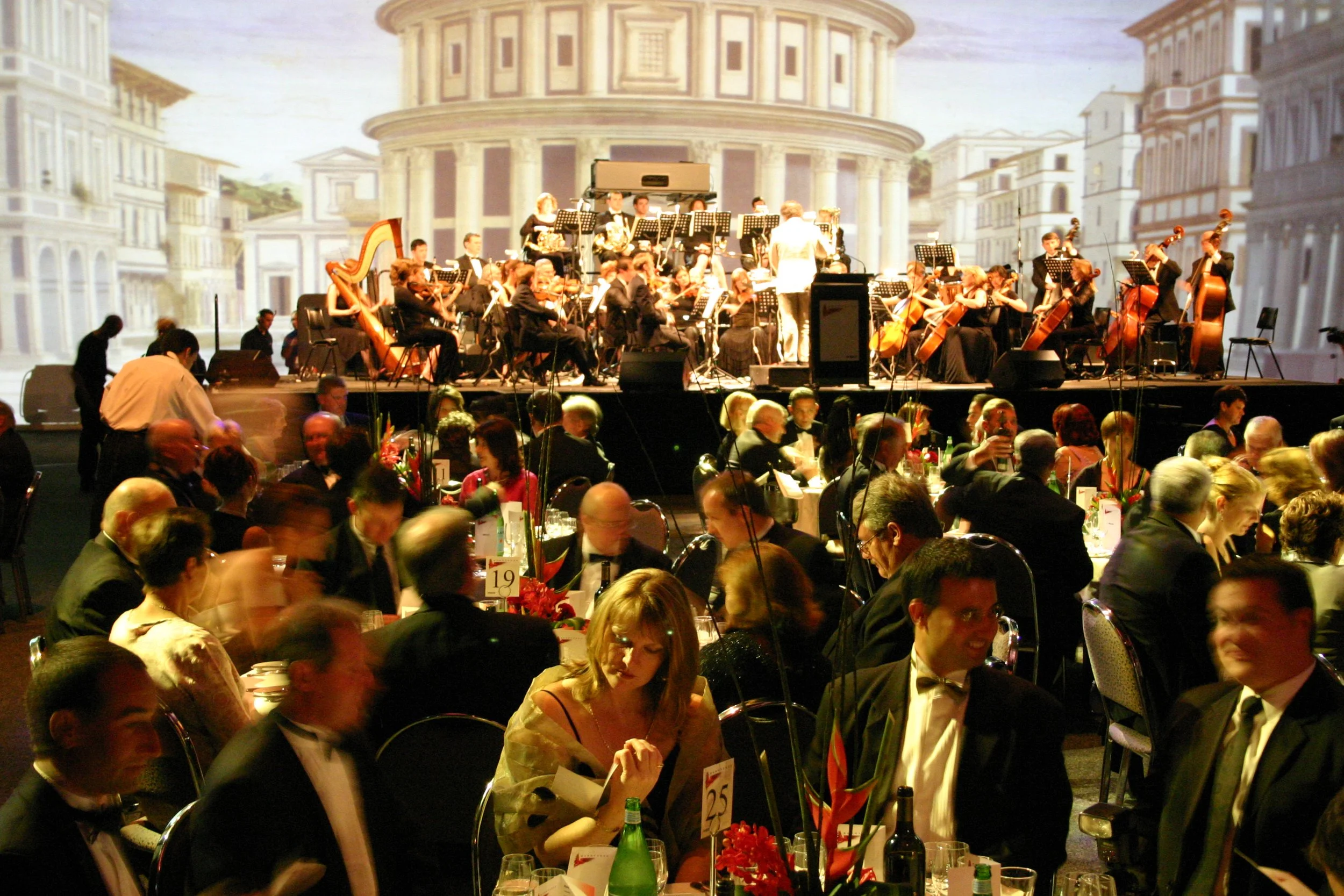
Based out of Melbourne, I am a highly experienced producers of events and experiences - having successfully produced a vast array of events over a number of decades. From business meetings, conferences, awards, and launches; to brand experiences and activations; to gala dinner, concerts and public events.
Over many years I’ve have built up a team of highly skilled event professionals and a very strong network of suppliers.
My events speak for themselves.

Simon Thewlis
Simon Thewlis - is one of the industry’s most respected professionals. His career began in production in the early 1980’s. He soon moved on to being an event producer. Initial specialising in entertainment based and public events, before also moving into business events.
He has produced events and experiences for many organisations including: 7-Eleven, Starbucks, Holden, Live Nation, OTR, RSL Victoria, Honda, Iveco, Nissan, MAB Corporation, Federation Square, Australian Red Cross, Suzuki, Ronald McDonald House and ING.